Is Pothos toxic to dogs and cats?
How serious is Pothos for pets?
Insoluble calcium oxalate crystals cause oral irritation, drooling, vomiting, and difficulty swallowing on chewing/ingestion. Rarely life-threatening but very unpleasant.
Epipremnum aureum
Also called: Devil's Ivy, Golden Pothos, Marble Queen Pothos, Neon Pothos, Jade Pothos, Potos, and Potus.
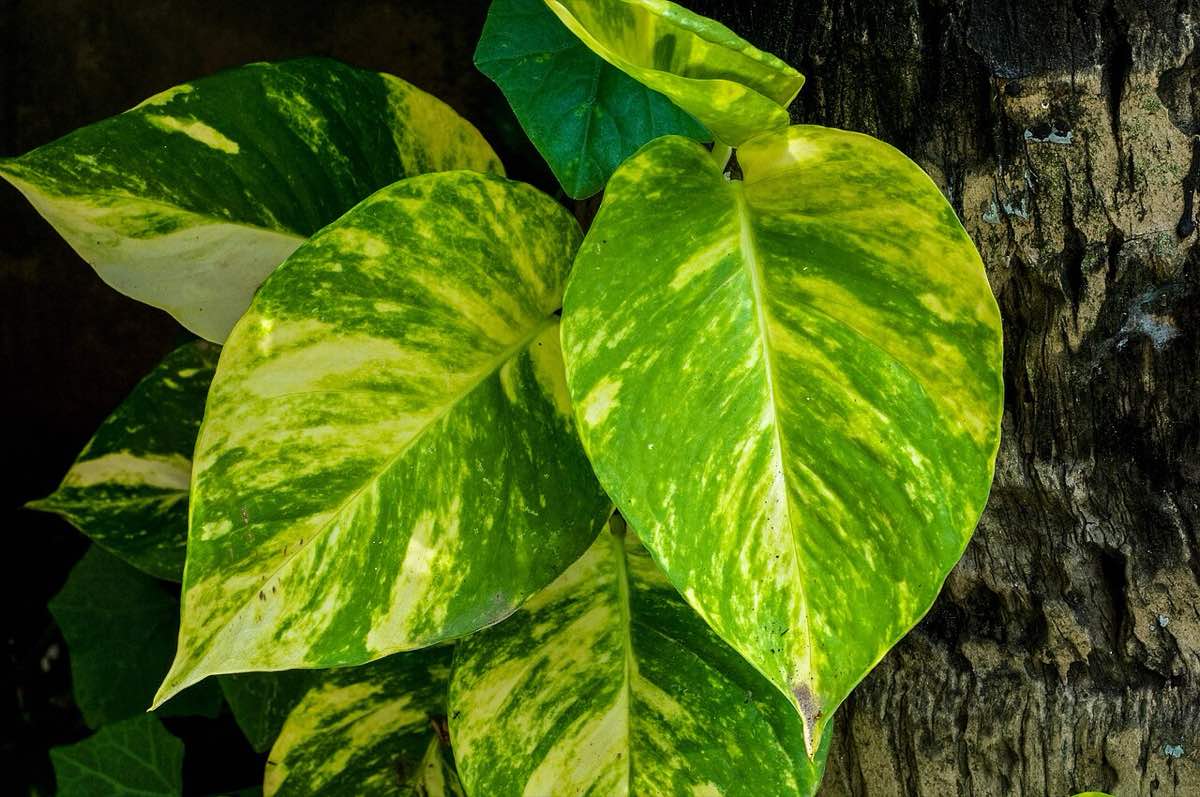
Is pothos toxic to dogs?
Yes. The ASPCA lists Golden Pothos (Epipremnum aureum, also called devil's ivy) as toxic to dogs and cats, and the NC State Extension Plant Toolbox lists Epipremnum aureum as a problem plant for cats, dogs and horses, with calcium oxalate crystals as the toxic component.
Is pothos toxic to cats?
Yes. The ASPCA lists Golden Pothos (Epipremnum aureum, also called devil's ivy) as toxic to cats and dogs, and the NC State Extension Plant Toolbox lists Epipremnum aureum as a problem plant for cats, dogs and horses, with calcium oxalate crystals as the toxic component.
What makes it toxic
The ASPCA names the toxic principle as insoluble calcium oxalates (source). The same entry lists the common names Pothos, Devil's Ivy, Taro Vine and Ivy Arum, which helps when you are matching a plant tag or a cutting from a friend.
The NC State Extension Plant Toolbox also gives calcium oxalate crystals as the toxic component, rates the poison severity as medium, says the plant can cause contact dermatitis, and lists flowers, fruits, leaves, roots, seeds and stems as the affected parts (source).
Symptoms to watch for
The ASPCA lists these signs for the plant. The NC State Plant Toolbox lists a similar set of symptoms without splitting them by species.
In dogs
- Oral irritation, with intense burning and irritation of the mouth, tongue and lips (ASPCA)
- Excessive drooling (ASPCA)
- Vomiting (ASPCA, NC State Extension)
- Difficulty swallowing (ASPCA, NC State Extension)
- Skin irritation and diarrhea (NC State Extension)
In cats
- Oral irritation, with intense burning and irritation of the mouth, tongue and lips (ASPCA)
- Excessive drooling (ASPCA)
- Vomiting (ASPCA, NC State Extension)
- Difficulty swallowing (ASPCA, NC State Extension)
- Skin irritation and diarrhea (NC State Extension)
What to do if your dog or cat ate it
- Remove any plant material from your pet's mouth and move the plant out of reach.
- Note what was eaten, roughly how much, and when. Keep a leaf or a photo of the plant handy.
- Call your vet, the ASPCA Animal Poison Control Center at (888) 426-4435 (a consultation fee may apply), or Pet Poison Helpline at (855) 764-7661.
- Do not induce vomiting unless a vet or poison line tells you to.
- Follow your vet's advice. Your vet may suggest watching your pet at home or bringing them in for an exam.
Frequently asked questions
Is pothos toxic to dogs?
Yes. The ASPCA lists Golden Pothos (Epipremnum aureum) as toxic to dogs, naming insoluble calcium oxalates as the toxic principle. NC State Extension also lists calcium oxalate crystals.
Is pothos toxic to cats?
Yes. The ASPCA lists Golden Pothos as toxic to cats, and NC State Extension lists Epipremnum aureum as a problem plant for cats, dogs and horses.
What happens if my dog or cat chews a pothos leaf?
The ASPCA lists oral irritation, intense burning of the mouth, tongue and lips, excessive drooling, vomiting and difficulty swallowing. Call your vet or a pet poison line.
Is golden pothos the same as devil's ivy?
The ASPCA entry for Golden Pothos (Epipremnum aureum) lists Devil's Ivy among its common names, so yes, those names refer to the plant the ASPCA rates as toxic.
Which parts of pothos are toxic?
NC State Extension lists flowers, fruits, leaves, roots, seeds and stems as affected parts.
Sources
- ASPCA: Golden Pothos (Epipremnum aureum): Toxicity line, toxic principle, clinical signs, common names.
- NC State Extension Plant Toolbox: Epipremnum aureum: Toxic component, severity, affected parts, symptoms.
Last reviewed: . This is a household reference, not veterinary advice.
Propagating pothos safely with pets at home
Can I propagate pothos if I have cats or dogs?
Pothos is toxic to dogs and cats, per the ASPCA. Yes, if cuttings stay out of reach. Cuttings, leaves and sap are as toxic as the parent plant.
- Treat every cutting, leaf and stem as toxic; NC State also notes contact dermatitis.
- Root cuttings in a closed room or on a high shelf, and keep the water jar, rooting hormone and perlite out of pets' reach too.
- Wear gloves if the sap irritates your skin.
Root pothos from a node cutting
- With clean scissors, cut a 4 to 6 inch piece of vine just below a node (the bump where a leaf and aerial root join). Keep at least two nodes and remove the lowest leaf.
- Optional: dip the cut end in rooting hormone and tap off the excess. A little is enough; too much slows rooting.
- Stand the cutting in clean water so the bottom node is covered and the leaves stay dry, or press it into moist perlite or potting mix with a node buried.
- Keep it somewhere bright, out of direct sun.
- In water, roots can show in about two weeks. Move it to soil once the roots are established.
Why is my pothos cutting turning yellow?
Check the base first. A brown, soft or slimy stem means rot from sitting too wet, and a stem piece with no node will not root. Cut back to firm stem just below a node and restart in fresh water or barely moist perlite. Keep it out of direct sun.
Gear (optional)
- Clear glass propagation jar (search on Amazon)
- Rooting hormone powder (search on Amazon)
- Perlite (search on Amazon)
As an Amazon Associate, Plant Doctor earns from qualifying purchases. Affiliate links cost you nothing and keep Plant Doctor free.
If a pet chews a cutting or leaf, call your vet, the ASPCA Animal Poison Control Center at (888) 426-4435 (a consultation fee may apply), or Pet Poison Helpline at (855) 764-7661. Do not induce vomiting unless a vet or poison line tells you to.
Sources for this section
- NC State Extension Plant Toolbox: Epipremnum aureum: water rooting in about two weeks; toxic plant parts and contact dermatitis.
- University of Missouri Extension: Home Propagation of Houseplants (G6560): stem cuttings 4 to 6 inches, cut just below a node; pothos may be rooted in water.
- Penn State Extension: Propagating Houseplants: at least two nodes per cutting; rooting hormone, a little is enough.
Section last reviewed: . Plant Doctor is a household reference, not veterinary advice.
Pet-safe swaps
The same green look without the toxicity worry. Each of these is non-toxic to both dogs and cats in our data.
As an Amazon Associate, Plant Doctor earns from qualifying purchases. Affiliate links cost you nothing and keep Plant Doctor free.
Plant Doctor is free. If it helped, you can
Buy Apollo a treatQuick answers about Pothos
Is Pothos toxic to cats?
Yes, Pothos is toxic to cats. See all 133 plants toxic to cats.
Is Pothos toxic to dogs?
Yes, Pothos is toxic to dogs. See all 130 plants toxic to dogs.
What is Pothos also called?
Pothos (Epipremnum aureum) is also called Devil's Ivy, Golden Pothos, Marble Queen Pothos, Neon Pothos, Jade Pothos, Potos, and Potus.
More plant lists
Not sure this is the plant you have? Scan it.
Scan your plantAlways confirm with a veterinarian or ASPCA Animal Poison Control (888-426-4435) before assuming safety. This is a household reference, not a substitute for professional guidance in a suspected poisoning.
· Source: ASPCA Animal Poison Control.
Keep your pets comfortable at home
The family behind Plant Doctor also runs a small pet shop for calm-home basics: beds, calming chews, and enrichment toys.
Browse Apollo's CornerEvery visit helps keep Plant Doctor free.